


Google Stitch
For UI and product designers (and founders/PMs in the mix) when the brief is still mushy—or when you already have a Figma file, site, or codebase to start from. Google Stitch is a Google Labs AI design canvas: stream generations onto an HTML-native board, steer mid-flight, do in-place edits, and stitch screens into clickable flows. Prefer Figma when it is already your only source of truth and you only need light in-file AI.
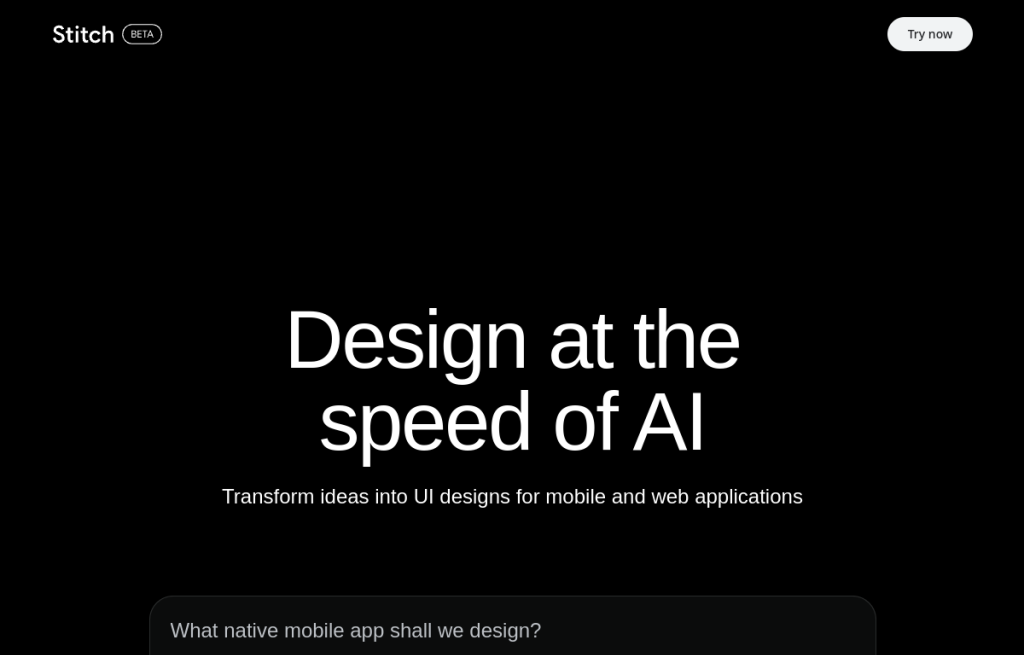
Use it when
You need hi-fi UI concepts fast: a vague brief, a rough screenshot, or an existing .fig / live site / codebase you want to remix—before you invest in full design-system craft inside Figma.
What it does well
- AI-native infinite canvas with a design agent you can steer while generations stream onto the board
- Start from prompts, images, voice, code context—or extract DESIGN.md from a .fig, website, or codebase
- In-place AI edits for local changes without regenerating the whole screen
- HTML-native canvas with motion (scripts, SVGs, shaders) and stitch screens into playable flows
- Hand off via .fig / DESIGN.md paths, Netlify publish, Bolt or Lovable export, plus MCP skills toward coding agents (e.g. Antigravity)
Skip it when
- Your team already treats Figma as the only source of truth and only needs light AI inside that file—prefer Figma AI
- You need a permanent component library / token system as the long-term home (Stitch is Labs exploration + bridging, not a Figma replacement)
- You expect unlimited free generations; Stitch uses daily credits—check Settings for your current cap
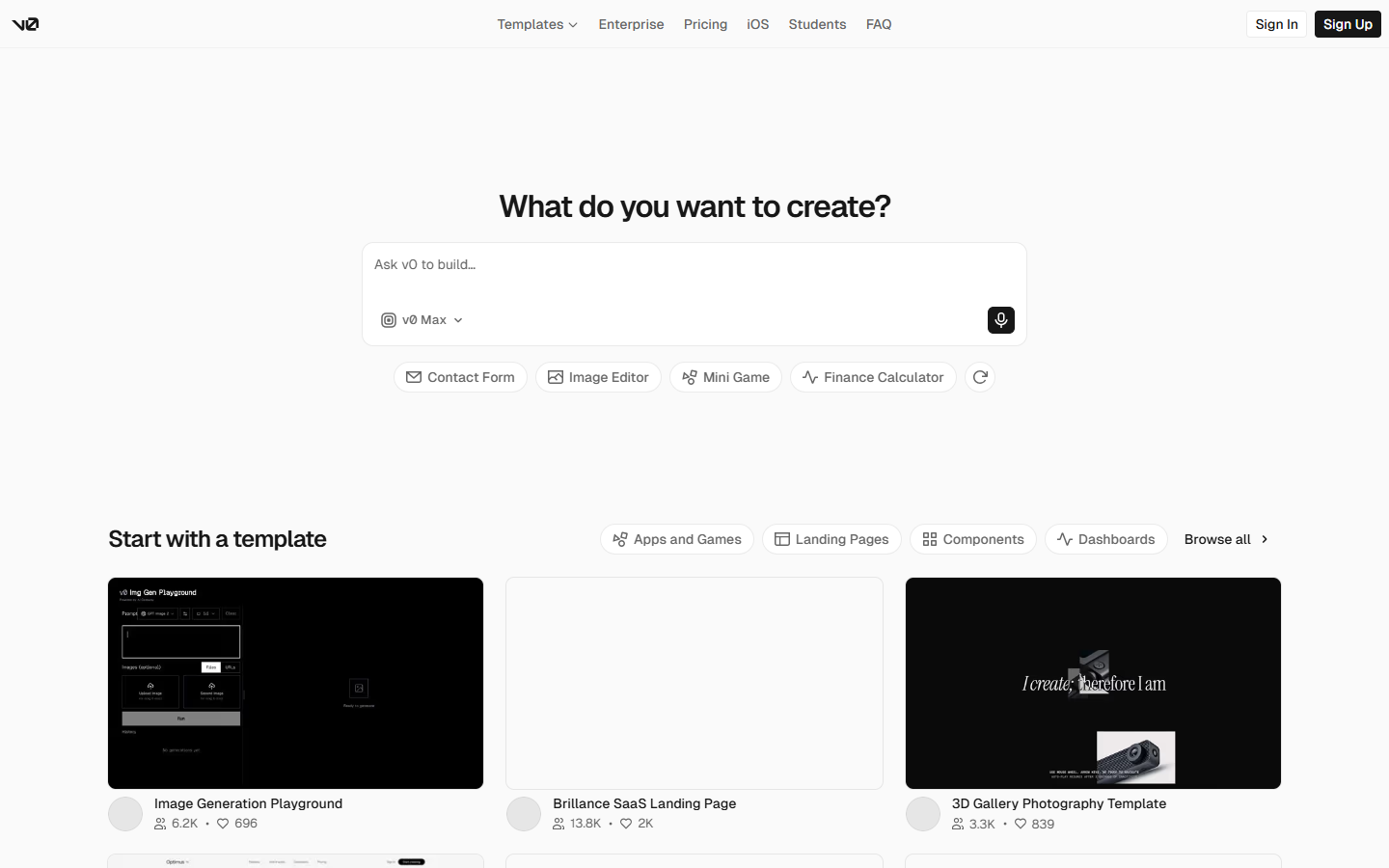
- You only want prompt→production app logic with no design-canvas step—Bolt/Lovable may be a more direct path (Stitch can export there, but it is still a design-first loop)
Fits your workflow
Primary loop is on the Stitch canvas (not inside Figma). Upstream: blank prompt, voice, screenshots, or existing .fig / site / code → DESIGN.md. Downstream: continue in Figma, publish a claimable Netlify URL, export to Bolt or Lovable, or use MCP skills to sync with a coding agent. Treat outputs as fast direction—finalize systems in your main design tool.
Similar tools
See more